
Loss of Estrogen and Its Impact on the Pelvic Floor
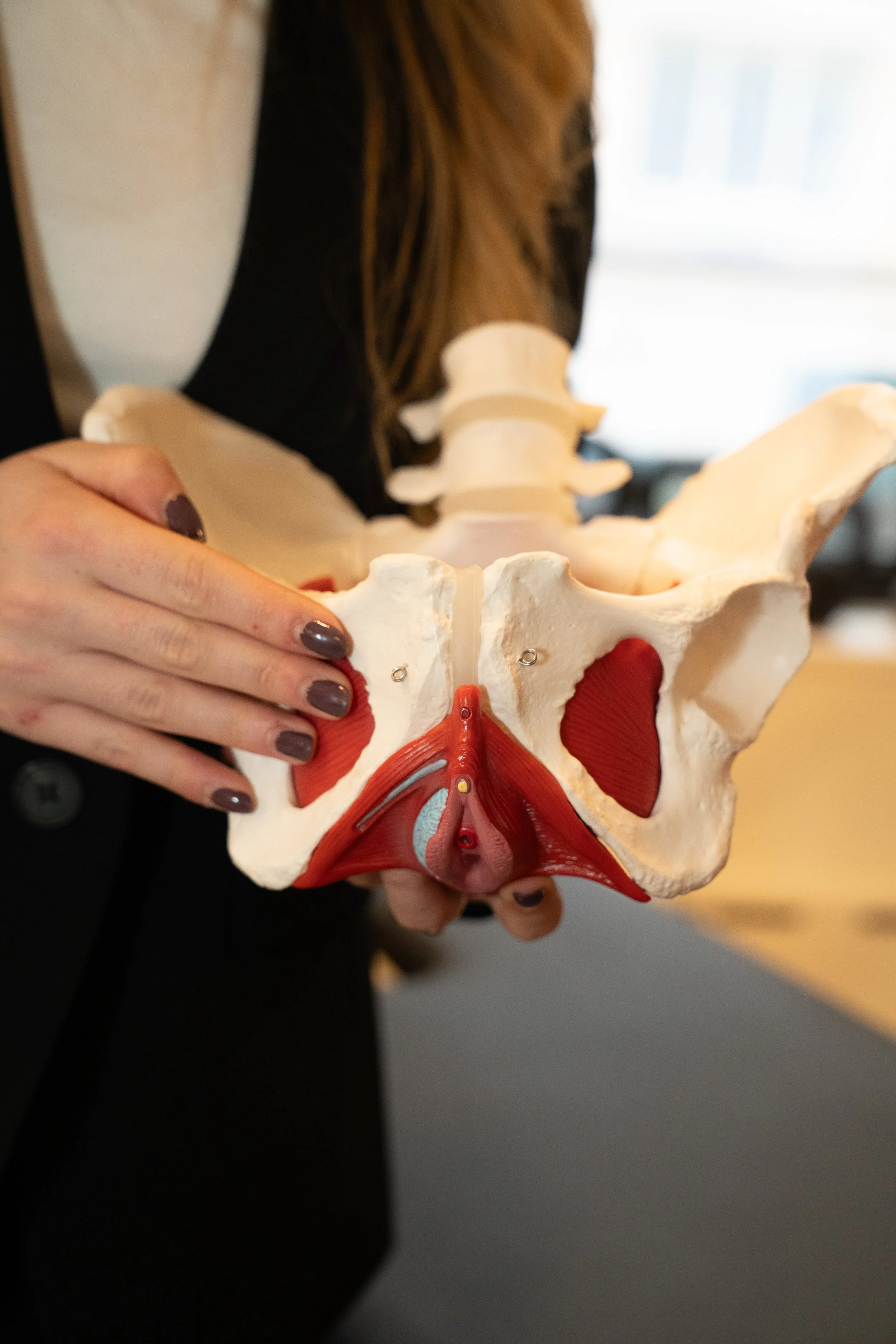
Perimenopause and menopause bring many changes to the body, but one area that is often overlooked is pelvic floor health. As estrogen levels decline, tissues throughout the pelvic region can become thinner, less elastic, and less resilient. These hormonal changes may contribute to symptoms such as urinary urgency, urinary leakage, pelvic pressure, painful intercourse, and recurrent discomfort that many women mistakenly assume are simply part of aging.
The pelvic floor muscles work closely with surrounding connective tissues to support the bladder, bowel, and reproductive organs. When estrogen decreases, these structures may become less efficient, resulting in symptoms that affect daily activities, exercise, and overall quality of life. The good news is that pelvic floor physical therapy can help improve muscle function, coordination, and support while addressing many of the challenges associated with menopause and perimenopause.
At The Wellness Den on the Upper East Side, we specialize in pelvic health care for women navigating perimenopause and menopause. Through personalized evaluations and evidence-based treatment with our expert team, we help women regain confidence and stay active during this important life stage. Schedule a Pelvic Health Evaluation by calling us at 212-292-7117 or email us at wellnessden@cynergypt.com to learn how physical therapy can support your long-term pelvic health.